Enhancing Self-reliance: Smaller Senior Care Houses and Daily Living Assistance
Business Name: BeeHive Homes of Taylor Ranch
Address: 6004 Whiteman Dr NW, Albuquerque, NM 87120
Phone: (505) 302-1919
BeeHive Homes of Taylor Ranch
At BeeHive Homes of Taylor Ranch, New Mexico, we offer the finest assisted living experience available in a cozy, comfortable homelike setting. Each of our residents has their own spacious room with an ADA approved bathroom and shower. We prepare and serve delicious home-cooked meals three times a day every day. We maintain a small, friendly elderly care community. We provide regular activities that our residents find fun and contribute to their health and well-being. Our staff is attentive and caring and provides assistance with daily activities to our senior living residents in a loving and respectful manner. We would like to invite you to tour and experience our assisted living home and feel the difference.
6004 Whiteman Dr NW, Albuquerque, NM 87120
Business Hours
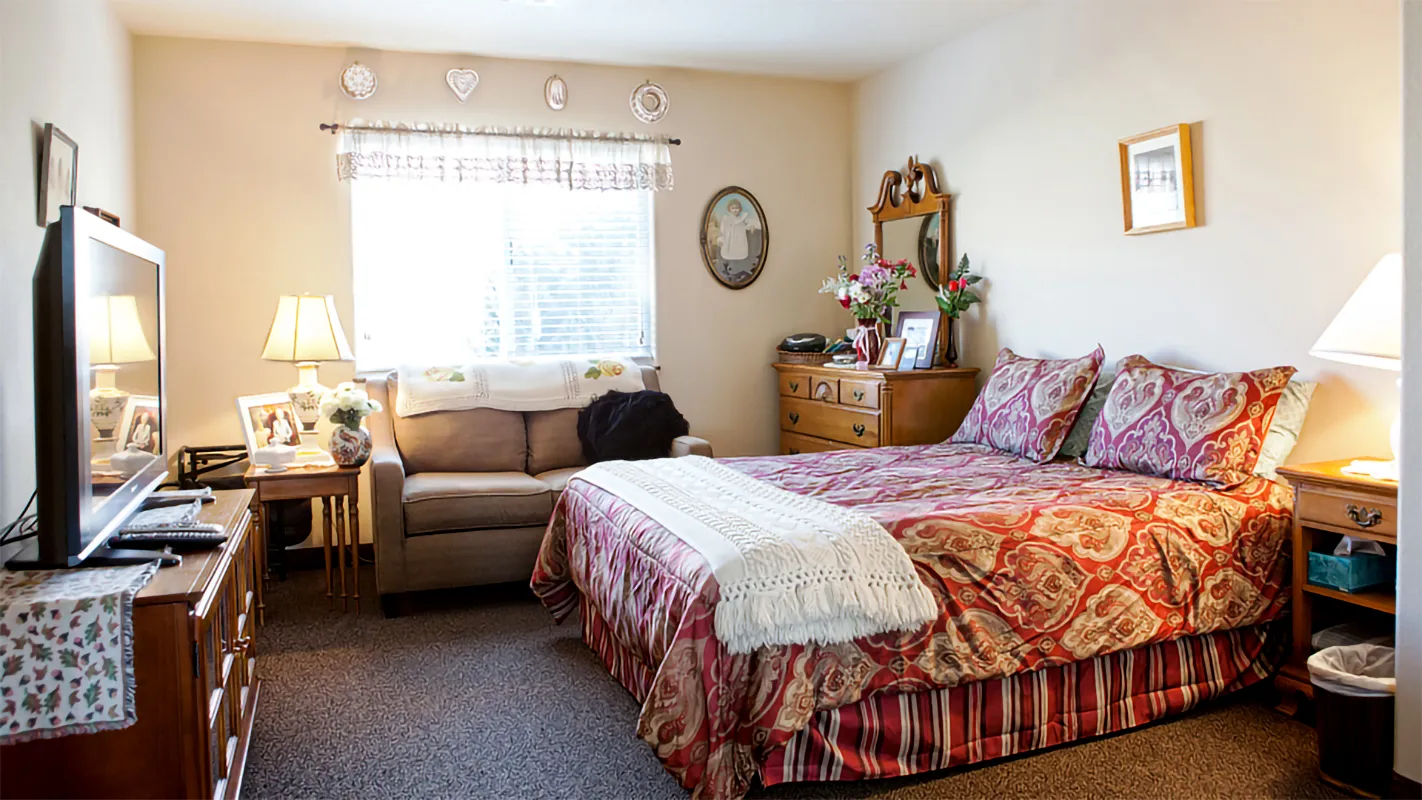
When families very first walk into a smaller senior care home, they typically look shocked. They expect something that feels like a small hospital. Rather, they find a regular house, slippers by the door, the smell of soup on the stove, and homeowners talking at a table that seats 8 rather of eighty.
I have actually viewed that moment modification people's thinking. Families show up trying to find a location that can keep a loved one safe. They leave understanding they might have discovered a location where that loved one can still live, not just be cared for.
Smaller homes can be an alternative to large assisted living neighborhoods, to traditional nursing homes, and sometimes even to remaining at home with cobbled-together assistance. Succeeded, they offer older adults a blend of independence, regular, and customized daily living assistance that is tough to replicate elsewhere.
This is not magic. It is a set of practical options about size, staffing, and approach that plays out minute by minute: assist with dressing that appreciates modesty and speed, a favorite tea made the right way, a walk outside when someone feels uneasy rather of another hour in front of the tv. Those information matter more than any brochure language about "person-centered care."
What smaller senior care homes really are
Families utilize numerous phrases for these settings: residential care homes, board-and-care, care homes, small-group assisted living. The terms varies by state and country, but the core idea is consistent.
A smaller senior care home typically implies:
- An accredited house with a small number of residents, frequently varying from 4 to 16, residing in a house-like environment.
That is the first list.
These homes typically offer assisted living level services: aid with individual care, medication management, meals, housekeeping, and coordination with outdoors healthcare. They become part of the more comprehensive senior care landscape, along with larger assisted living neighborhoods, nursing homes, and at home elderly care.
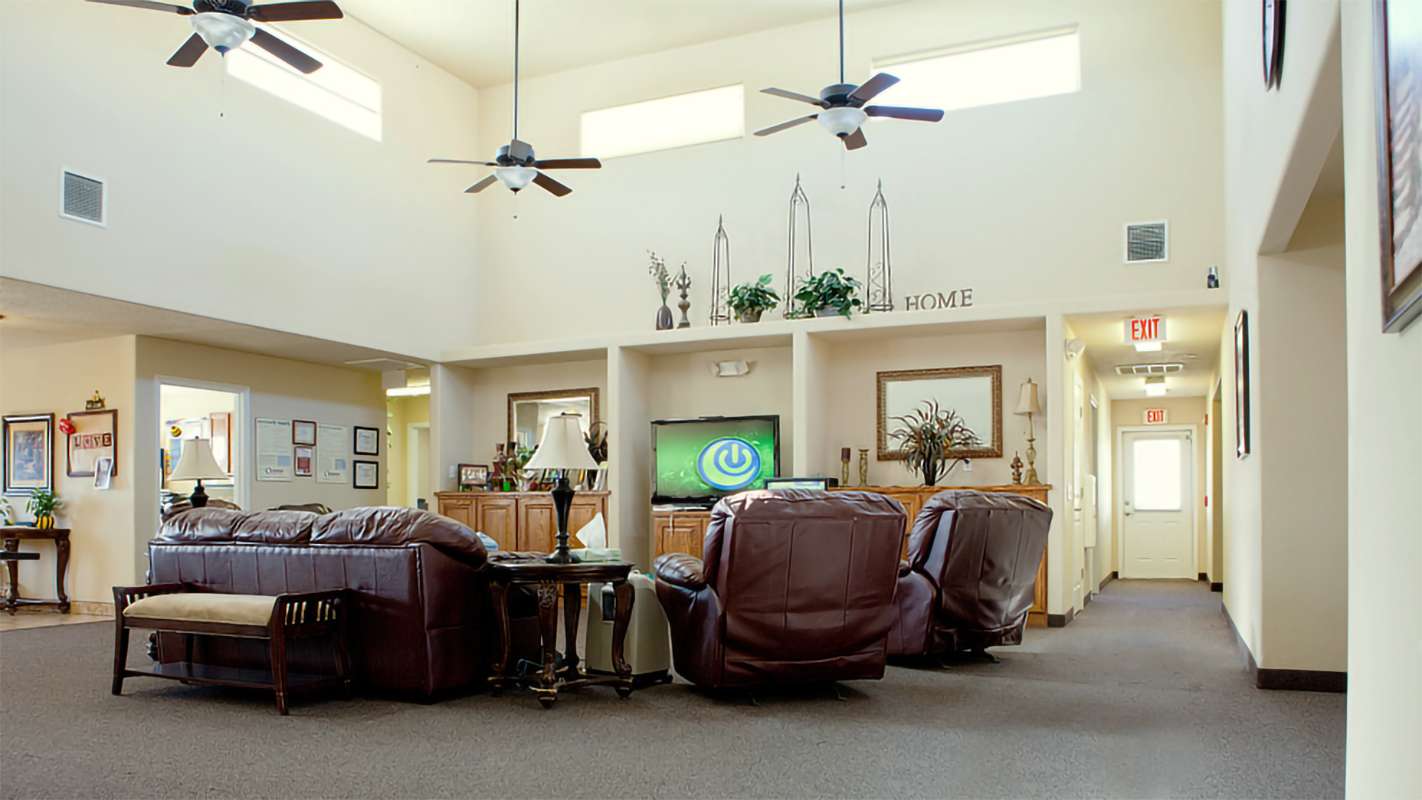
Where they vary is scale and atmosphere. Instead of long corridors and several dining-room, you see a regular living room with familiar furnishings, a kitchen that smells like real cooking, and bed rooms that look like bedrooms, not healthcare facility rooms. Personnel are often called by given names, and citizens are too. Shift modifications are quieter, paperwork is less noticeable, and routines flex more easily around specific habits.
Not every smaller home supplies the exact same level of care. Some run almost like independent living with light support, others handle advanced dementia, oxygen management, or complex medication schedules. That is why labels alone are inadequate. The genuine question is what daily living assistance they can provide, and how that support is woven into the rhythm of the day.
Independence and everyday living: more than slogans
Families frequently say, "We desire Mom to stay independent as long as possible." The trouble is that self-reliance looks very various at 75 than at 92, and various once again when someone is living with Parkinson's or moderate dementia.
Professionally, we break everyday function into two groups.
Activities of daily living (ADLs) consist of bathing, dressing, grooming, eating, toileting, and transferring, such as moving from bed to chair. Critical activities of daily living (IADLs) include jobs like cooking, managing medications, paying costs, housekeeping, and utilizing transportation.Independence does not imply doing everything alone. It implies having the ability to take part meaningfully in your own life, with the right level of support. A person who can no longer safely enter a tub may still pick their own clothing, comb their hair, and choose whether they choose an early morning or night shower. That is independence, even if assisted living a caregiver is standing by.
Smaller senior care homes, at their finest, stand out at this subtlety. With less homeowners and a more home-like structure, personnel can change support to the specific point where it is required. Rather of "shower days" determined by a facility schedule, a resident might be asked, "Are you feeling up to a shower this morning, or would you prefer tonight after supper?" Instead of a repaired dining hall menu, staff might discover that someone has hardly touched breakfast for 3 days and ask, "Would toast and peanut butter sit much better than eggs today?"
Those small choices support identity and autonomy. Gradually, they form how someone feels about themselves: a person still making decisions, not an object being managed.
How smaller homes boost independence
The benefits of smaller senior care homes are manual. They depend on management, staffing, and training. When those align, several advantages tend to emerge.
Familiar scale and foreseeable faces
Human beings orient themselves in area and relationship. Environments that are modest in size, with clear line of visions, are simpler to navigate for older adults, particularly those with moderate cognitive disability or visual difficulties. In smaller homes, the course from bedroom to bathroom to kitchen is brief and rapidly familiar. Residents usually learn who lives where, who sits at which chair, and who normally aids with what.
Because there are less homeowners, staff turnover is rapidly observed. That can be a weak point if turnover is high, but when leadership buys retention, the outcome is a core team of caregivers who truly understand each resident. Mrs. Thompson is calmer after her tea. Mr. Patel chooses his afternoon nap in the reclining chair, not the bed. These details build up into trust. When residents trust caregivers, they are more happy to attempt jobs themselves with a bit of support, instead of avoiding them out of fear or confusion.
A various sort of staffing pattern
In big assisted living buildings, staffing is typically organized by corridors or floors. Caretakers may be responsible for 12 to 20 locals each. In smaller homes, the ratio is usually lower, and the roles are less segmented. The same individual who helps someone dress may also serve them breakfast, notice that they are walking more slowly, and later discuss it to the nurse.
That connection matters for independence. Instead of stepping in only when tasks fail, personnel can prepare for difficulties and change support. A caretaker might see that a resident is taking longer to button shirts however still wants to attempt. They can suggest loose, front-opening tops, set up the shirt on a flat surface area, and after that go back. The resident finishes the job with self-respect, not frustration.
From a practical viewpoint, I frequently see smaller homes "catch" practical decline previously. A caretaker who sees morning routines every day notifications when a resident begins leaning on the sink to stand up, or when it takes twice as long to connect shoes. Early acknowledgment implies physical therapy or mobility aids can be presented before a fall, which protects both safety and confidence.
Flexibility in day-to-day routines
In conventional facilities, schedules exist partly to handle intricacy: a lot of citizens, so many jobs. Meals, baths, group activities, and medication rounds cluster around fixed times. For some people, this structure works well. Others feel pushed into a rhythm that does not match their long-lasting habits.
Smaller senior care homes can typically bend their routines more easily. If a night owl chooses breakfast at 10:00 instead of 8:00, it is normally possible without interfering with an entire wing. If a resident likes to shower every other day instead of on "Monday, Wednesday, Friday," the group can adjust. That versatility supports self-reliance by letting people live closer to their natural patterns.
One of my favorite examples involves a retired baker who had actually constantly gotten up around 4:30 in the morning. When he moved into a small home, the staff concurred that as long as it was safe, he could keep that regular. They pre-set the coffee machine and put his preferred mug on the counter. He did not bake at that hour any longer, however the peaceful time in the dim kitchen area with a warm mug in his hands seemed like continuity with the life he had built.
Social life without overwhelm
Social contact is vital in elderly care. Isolation accelerates cognitive decline and anxiety. Big assisted living neighborhoods often market their activity calendars, and for some residents, that variety is exactly right. For others, specifically those with hearing loss, stress and anxiety, or dementia, big group occasions feel more like sound than connection.
Smaller homes use a different design. Discussions usually unfold amongst a handful of individuals: 3 locals and a caregiver at the table, 2 people folding laundry together, someone chatting with a visitor in the garden. These settings make it easier for quieter locals to participate. Staff can customize activities in the moment: turning an easy task like snapping green beans into a shared activity, or welcoming someone to assist set the table instead of putting them in a bingo video game they never ever liked.
It is self-reliance of character, not simply function. People can remain introverted or social, talkative or reserved, and still be woven into day-to-day life.
Comparing smaller homes, big assisted living, and remaining at home
Families frequently feel they should select between remaining at home with help, transferring to a big assisted living facility, or transitioning to a smaller care home. Each option has strengths and compromises, and the ideal choice depends upon the person's needs, personality, finances, and support network.
Here is a basic method to think of it:
- Home with services: Optimizes control over environment and routines. Functions best when the home is safe to browse, family or friends can fill spaces between expert visits, and the individual can tolerate periods alone. Cost can be remarkably high when care needs technique 24 hours.
- Large assisted living: Offers amenities, activity range, and a social "campus." Best matched to more independent elders who take pleasure in groups, can adapt to structured schedules, and do not need heavy one-on-one aid. Frequently a great match early in the aging journey.
- Smaller senior care homes: Provide close guidance and hands-on assistance in a relaxed, residential setting. Typically work best for those who require consistent assistance with ADLs, benefit from a quieter environment, or feel overloaded in huge buildings. Might be more inexpensive than personal 24-hour home care, however less customizable than living at home.
That is the second and last list.
Respite care can fit into any of these categories. Some smaller homes accept short-term stays, giving household caretakers a break. A week or more of respite can likewise act as a "trial run," letting everyone see how the environment affects mood, mobility, and engagement before making longer-term decisions.
Daily living assistance in practice
When evaluating senior care choices, families typically hear basic declarations: "We assist with all activities of daily living," or "Thorough assistance with individual care." Those expressions do not catch what the care feels like from the resident's perspective.
In a smaller care home, a normal early morning may look like this. A caretaker knocks, waits for a response, then goes into and welcomes the resident by name. They ask how the night went and listen to the answer. Together they choose whether today is a shower day or a fast wash-up. The caretaker sets out two attires that match the weather condition and asks which is chosen. If arthritis has stiffened the resident's hands, the caregiver might guide their arms into sleeves while permitting them to pull the t-shirt down themselves.
Medication assistance is woven in. Tablets are not thrown into tiny paper cups and lined up on carts in a corridor. Instead, a team member brings the medication to the resident, explains what each is for if the resident wishes to know, offers a favored beverage, and waits long enough to ensure whatever is in fact swallowed. For someone with memory issues, that persistence can prevent missed out on doses.
Mobility support typically benefits from the home-like scale. The range from bed room to bathroom might be just far sufficient to count as gentle workout, with a caregiver walking alongside. If somebody is unsteady, staff can motivate using a walker without turning every transfer into a crisis. They are not viewing twenty homeowners at the same time, so they can take those additional moments at the start of movement, which is when most falls can be prevented.
Meals in a smaller home tend to resemble family-style dining. Options are often more flexible than they appear on a composed menu, since the individual cooking is typically the one serving. A resident who enjoyed hot food throughout life ought to not suddenly have whatever bland "for simplicity." With a little attention to dietary restrictions and chewing ability, favorites can usually be protected in some type. That maintains pleasure, which in turn supports appetite, weight, and strength.
Housekeeping and laundry become chances, not just jobs. Lots of residents want to help fold towels, match socks, or dust their own night table. In a large facility, such participation can be difficult to supervise securely. In a small home, a caretaker can stand nearby, chat, and gently change the workload based on fatigue.
Coordination with outside healthcare is also part of everyday living assistance. Transportation to medical professional visits, sharing updates with families, and tracking modifications in behavior or hunger all impact independence. I have seen smaller homes where caretakers frequently sign up with telehealth visits with the resident, adding practical details that the resident may forget. "She is walking a bit slower this month, and we observed more problem when she gets up from a low chair." That details can prompt timely physical therapy or medication changes, preventing crises that might force an unwanted move.
Respite care, when used in these homes, follows similar routines however over a shorter duration. It allows both the resident and the family to experience how these supports affect life. Often, households are shocked to see enhancement in function. With constant, unrushed assistance, someone who was "too exhausted" to shower safely at home might handle it frequently again, simply because they feel less rushed and less anxious.
When a smaller home is not the right fit
No single senior care option fits everyone. Smaller homes, for all their advantages, are not perfect in every situation.
Residents who need extensive healthcare beyond the scope of assisted living, such as ventilator assistance, complex injury care, or frequent IV therapies, are generally better served in a proficient nursing facility or hospital-based program. Some smaller homes partner with home health companies, but there are limitations to what can securely be managed in a residential setting.
Behavioral difficulties can likewise be challenging. A person with extreme hostility, roaming that withstands all intervention, or substantial exit-seeking habits might require a highly safe environment with specialized staffing. While some smaller homes are created specifically for innovative dementia, others are not physically established for continuous redirection and risk management.
Cost is another aspect. Per-day rates for smaller homes are frequently competitive with bigger assisted living facilities, in some cases lower. However, the all-inclusive nature of the pricing, while hassle-free, can limit flexibility. In some areas, Medicaid or public funding is less available for small residential choices than for larger institutions, narrowing access.
Personal choice matters as well. Some older adults enjoy energy, range, and structured programming. For them, a huge assisted living community with frequent events, an on-site health club, or a busy lobby might feel more engaging. A quiet bungalow with 8 citizens, however well run, may feel too small.
The secret is to match the setting not just to practical needs, but likewise to personality and worths. An introverted individual who has actually always preferred a tight circle of relationships may prosper in a smaller care home. A lifelong extrovert who arranged area gatherings may choose a larger environment, even if it indicates sacrificing some flexibility around routine.
How to assess a smaller senior care home
When families tour smaller homes, the experience can be stealthily pleasant. The scale feels comfy, the personnel appear friendly, and it smells like dinner. To move previous first impressions, focus on what daily life will look like.
During visits, take note of who remains in common areas and what they are doing. Are locals engaged in small conversations, enjoying television with interest, or oversleeping wheelchairs? Do staff address homeowners by name and at eye level, or from a range while multitasking? Observe how someone who is confused or distressed is treated. Calm redirection and gentle explanation show training and patience.
Ask specific questions. How many homeowners are here, and how many staff are on task throughout days, nights, and nights? Who prepares meals, and how versatile are they with choices and cultural foods? Can locals pick their own waking and sleeping times? How are modifications in health communicated to households? If the home supplies respite care, ask how short stays are incorporated into the daily routine.
It is also worth asking caretakers themselves for how long they have worked there and what they like about the job. Individuals who feel highly regarded and heard are more likely to remain, reducing turnover. Continuity is one of the strongest indicators that a home can support independence gradually, not just supply standard elderly care.
Regulatory history matters too. Look up examination reports where possible and ask how any noted deficiencies were corrected. No setting is perfect, but a pattern of the same problems duplicating throughout years is a warning sign.
Keeping identity at the center
The best smaller senior care homes deal with self-reliance as more than physical capability. They safeguard identity: who somebody has actually been, what they value, what they still wish to contribute.
For one resident, that may suggest listening to symphonic music each early morning while reading the paper, even if a caretaker now needs to hold the paper in place. For another, it may imply continuing to practice a faith custom, with personnel reminding them of service times or arranging transport. For somebody else, it might be as simple as protecting a long-standing habit of calling a sibling every Sunday evening.
Families play a crucial function in this. The more detail personnel have about biography, preferences, worries, and routines, the much better they can tailor daily living assistance. I frequently motivate families to write a short "about me" document: preferred foods, former tasks, essential relationships, hobbies, and regimens. In a small home, staff are actually most likely to check out and use it.
When senior care is arranged this way, self-reliance does not disappear as needs grow. It moves, from doing jobs alone to directing how those jobs are done. A resident may no longer prepare the meal, but they can pick what is on the plate. They might not handle their own medications, however they can decide to go over adverse effects with their doctor. That sense of firm is what sustains dignity.
Bringing it back to what matters
At its heart, the choice of a smaller senior care home is about how someone will live each day, not simply where they will sleep. It is about whether an individual will feel understood when they get up confused, whether a caregiver will remember that they like sugar in their tea, whether there is time in the schedule for a sluggish walk on a good-weather afternoon.
Smaller homes can not fix every issue in aging, and they are not universally the best option. Yet when they are attentively run, with stable staff and authentic attention to day-to-day living assistance, they use something numerous households long for: a setting that can keep a loved one safe without eliminating the patterns and preferences that make that person who they are.
For older adults who need assisted living or respite care, and for households balancing security, independence, and feeling, these homes can bridge the space between "in your home" and "in a facility." They prove that senior care does not have to feel institutional. It can feel like life continuing, with assistance, in a smaller and more manageable frame.
BeeHive Homes of Taylor Ranch provides assisted living care
BeeHive Homes of Taylor Ranch provides memory care services
BeeHive Homes of Taylor Ranch provides respite care services
BeeHive Homes of Taylor Ranch supports assistance with bathing and grooming
BeeHive Homes of Taylor Ranch offers private bedrooms with private bathrooms
BeeHive Homes of Taylor Ranch provides medication monitoring and documentation
BeeHive Homes of Taylor Ranch serves dietitian-approved meals
BeeHive Homes of Taylor Ranch provides housekeeping services
BeeHive Homes of Taylor Ranch provides laundry services
BeeHive Homes of Taylor Ranch offers community dining and social engagement activities
BeeHive Homes of Taylor Ranch features life enrichment activities
BeeHive Homes of Taylor Ranch supports personal care assistance during meals and daily routines
BeeHive Homes of Taylor Ranch promotes frequent physical and mental exercise opportunities
BeeHive Homes of Taylor Ranch provides a home-like residential environment
BeeHive Homes of Taylor Ranch creates customized care plans as residents’ needs change
BeeHive Homes of Taylor Ranch assesses individual resident care needs
BeeHive Homes of Taylor Ranch accepts private pay and long-term care insurance
BeeHive Homes of Taylor Ranch assists qualified veterans with Aid and Attendance benefits
BeeHive Homes of Taylor Ranch encourages meaningful resident-to-staff relationships
BeeHive Homes of Taylor Ranch delivers compassionate, attentive senior care focused on dignity and comfort
BeeHive Homes of Taylor Ranch has a phone number of (505) 302-1919
BeeHive Homes of Taylor Ranch has an address of 6004 Whiteman Dr NW, Albuquerque, NM 87120
BeeHive Homes of Taylor Ranch has a website https://beehivehomes.com/locations/taylor-ranch/
BeeHive Homes of Taylor Ranch has Google Maps listing https://maps.app.goo.gl/VjePfgdypFLUTXAZ6
BeeHive Homes of Taylor Ranch has Instagram page https://www.instagram.com/beehivealbuquerquewest
BeeHive Homes of Taylor Ranch has an TikTok page https://www.tiktok.com/@beehivehomesalbuq
BeeHive Homes of Taylor Ranch has an YouTube page https://www.youtube.com/@hamiltonshives4468
BeeHive Homes of Taylor Ranch won Top Assisted Living Homes 2025
BeeHive Homes of Taylor Ranch earned Best Customer Service Award 2024
BeeHive Homes of Taylor Ranch placed 1st for Senior Living Communities 2025
People Also Ask about BeeHive Homes of Taylor Ranch
What is BeeHive Homes of Taylor Ranch Living monthly room rate?
Our base rate is $6,900 per month. We do an assessment of each resident's needs prior to move-in, so each resident's rate may be slightly higher. However, there are no "a la carte" charges or hidden fees. We do charge a one-time community move-in fee of $2,000
Does Medicare or Medicaid pay for a stay at Bee Hive Homes?
Medicare pays for hospital and nursing home stays, but does not pay for assisted living as a covered benefit. Some assisted living facilities are Medicaid providers, but we are not. We accept private pay, long-term care insurance, and we can assist qualified Veterans with approval for the Aid and Attendance program
Do we have a nurse on staff?
We do have a nurse on contract who is available as a resource to our staff but our residents' needs do not require a nurse on-site. We always have trained caregivers in the home and awake around the clock
What can you tell me about the food at Bee Hive?
You have to smell it and taste it to believe it! We use dietitian-approved menus with alternates for flexibility, and we can accommodate needs for different textures and therapeutic diets. We have found that most physicians are happy to relax diet restrictions without any negative effect on our residents
Do we allow pets?
We do allow small pets as long as the resident is able to care for them. State regulations also require that we have evidence of current immunizations for any required shots
Where is BeeHive Homes of Taylor Ranch located?
BeeHive Homes of Taylor Ranch is conveniently located at 6004 Whiteman Dr NW, Albuquerque, NM 87120. You can easily find directions on Google Maps or call at (505) 302-1919 Monday thru Sunday: 10:00am to 7:00pm
How can I contact BeeHive Homes of Taylor Ranch?
You can contact BeeHive Homes of Taylor Ranch by phone at: (505) 302-1919, visit their website at https://beehivehomes.com/locations/taylor-ranch/ or connect on social media via Instagram Facebook or TikTok
Santa Fe Village Park offers a peaceful outdoor setting where families connected with Assisted living memory care senior care elderly care and respite care can enjoy fresh air and meaningful time together.